
7 Secrets to Building a 6-Figure Solo Business from a Side Hustle
What We Can Learn from the Fastest-Growing 6-Figure Solo Businesses
Solo entrepreneurs are crushing it while big companies struggle.
According to recent data from Indie Hackers and the Small Business Administration, one-person businesses now generate over $44 billion annually in the U.S. alone. More importantly for your side hustle goals, 73% of these solo businesses started as side projects while the founder kept their day job.
The fastest-growing solo businesses aren’t succeeding by accident. They follow specific patterns that any professional can replicate, regardless of industry or experience level.
These entrepreneurs have cracked the code on building scalable income without traditional business overhead, complex team management, or massive startup capital.
Here’s what the data reveals about solo businesses that grow from zero to six figures—and exactly how you can apply their strategies to your own side income journey.
The Numbers Don’t Lie: Solo Business Success Stories
Recent analysis of over 4,000 solo businesses from platforms like Indie Hackers, Product Hunt, and Gumroad reveals clear patterns among the fastest-growing ventures.
Revenue milestones achieved by top solo businesses:
- 68% reach $1,000 monthly revenue within 6 months
- 41% hit $5,000 monthly by month 12
- 23% achieve $10,000+ monthly within 18 months
- 12% scale to $25,000+ monthly as true solo operations
What sets the top performers apart:
- Most successful solo entrepreneurs work 15-25 hours weekly on their business
- They focus on one revenue stream until it hits $10K monthly
- 89% started with existing skills from their professional background
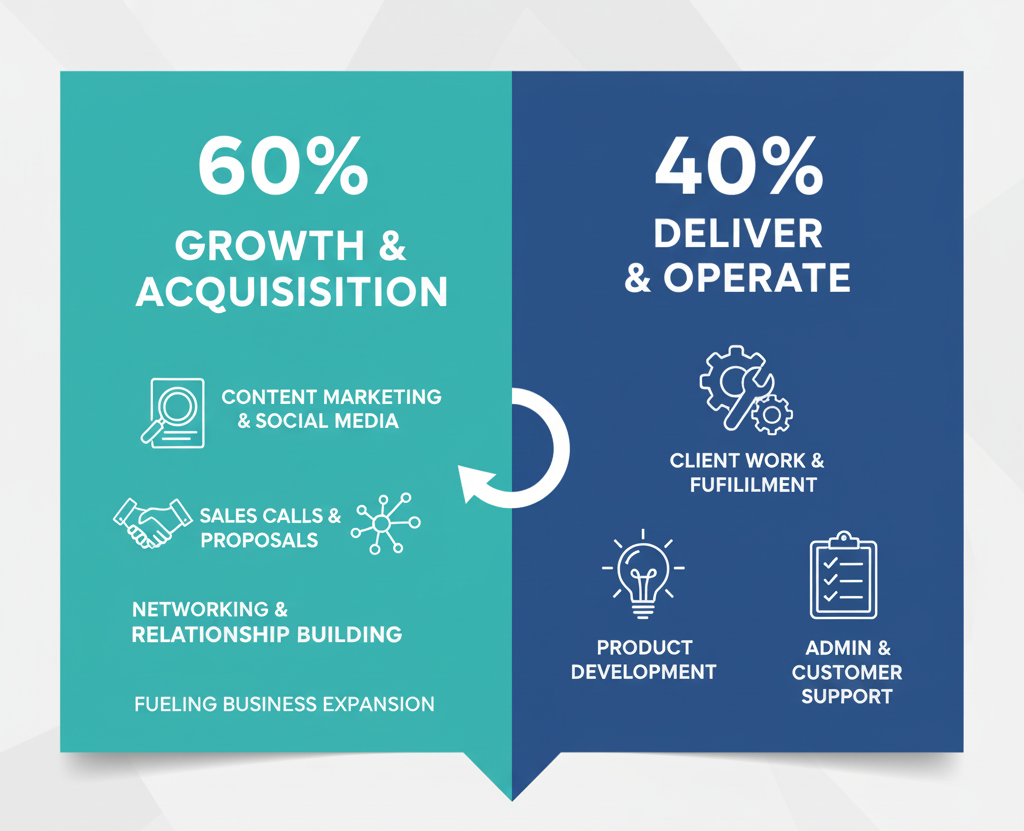
- They spend 60% of time on marketing and sales, 40% on product/service delivery
The key insight: these aren’t lottery winners or overnight successes. They’re strategic professionals applying proven frameworks consistently.
Pattern #1: They Solve Expensive Problems for Specific People
The fastest-growing solo businesses don’t try to help everyone with everything. They identify expensive problems that specific groups face regularly and become the go-to solution.
Case Study Analysis: The Productivity Consultant
One solo entrepreneur studied workplace efficiency at Fortune 500 companies for 8 years before launching a productivity consulting practice. Instead of offering general productivity advice, she specializes exclusively in helping remote marketing teams reduce meeting time by 40%.
Her specific approach:
- Target audience: Marketing directors at 50-200 person companies
- Specific problem: Teams spending 30+ hours weekly in unproductive meetings
- Measurable outcome: Reduce meeting time to 18 hours weekly while maintaining output
- Revenue model: $5,000 quarterly consulting packages
- Results: $18,000 monthly revenue within 14 months
Why this works: Marketing directors gladly pay $5,000 quarterly to save $50,000+ annually in wasted salary costs.
Pattern application for your side hustle:
- Identify expensive problems in your professional industry
- Focus on outcomes that save or generate significant money
- Target decision-makers who control budgets for solving these problems
- Price based on value delivered, not time invested
Case Study Analysis: The Email Marketing Specialist
A former corporate communications manager noticed small e-commerce businesses struggling with abandoned cart emails. Instead of general email marketing services, she created a specific system for recovering abandoned purchases.
Her focused approach:
- Target: E-commerce stores doing $50K-500K annually
- Problem: Losing 70% of potential sales to cart abandonment
- Solution: Custom email sequences that recover 15-25% of abandoned carts
- Pricing: $2,000 setup fee plus $500 monthly management
- Growth: 47 clients generating $31,500 monthly revenue
The lesson: Specificity creates premium pricing opportunities that generalists can’t access.
Pattern #2: They Build Systems That Work Without Them
Solo entrepreneurs who scale successfully create systems and processes that generate income even when they’re not actively working. This isn’t passive income—it’s systematic income that requires ongoing maintenance but doesn’t demand constant hands-on attention.
System Example: The Course Creator’s Formula Analysis of successful online course businesses reveals a common pattern among solo entrepreneurs earning $15,000+ monthly:
The Validated Course System:
- Audience building: 6 months of free valuable content to build email list
- Live teaching: Cohort-based course with direct student interaction
- Content refinement: Record and improve based on live teaching feedback
- Automation phase: Convert live course to self-paced with minimal support
- Marketing automation: Email sequences that sell courses without daily involvement
Real numbers from successful implementers:
- Average time to first $1,000: 4 months
- Time to $10,000 monthly: 12-18 months
- Weekly time investment after automation: 8-12 hours
- Customer satisfaction rates: 87% positive reviews
System Example: The Service-Based Automation A solo business consultant created a client onboarding system that reduced her hands-on time by 70% while improving client results:
The Systematic Service Delivery:
- Standardized assessment: Automated questionnaire identifies client needs
- Custom solution generation: Template-based recommendations with personalized elements
- Implementation tracking: Client dashboard shows progress without constant check-ins
- Outcome measurement: Automated reporting demonstrates value delivered
Results achieved:
- Client capacity increased from 8 to 23 without additional work hours
- Client satisfaction improved due to consistent, professional processes
- Monthly revenue grew from $6,400 to $18,400 in 14 months
- Work-life balance improved with predictable, manageable workload
Pattern #3: They Master One Marketing Channel Before Adding Others
Successful solo businesses don’t spread their marketing efforts across every possible platform. They dominate one channel completely before expanding to others.
Channel Mastery Success Stories:
LinkedIn Domination Example: A business development consultant focused exclusively on LinkedIn for 18 months before expanding to other platforms:
Her LinkedIn strategy:
- Content: 3 valuable posts weekly about B2B sales strategies
- Engagement: 1 hour daily commenting thoughtfully on prospects’ content
- Outreach: 20 personalized connection requests weekly to ideal clients
- Conversion: Soft pitch consulting services after building relationships
Results after 18 months:
- 12,000 LinkedIn followers (quality over quantity)
- 67% of consulting clients came from LinkedIn connections
- $22,000 average monthly revenue from LinkedIn-generated clients
- Only then expanded to email marketing and speaking engagements
YouTube Focus Example: A personal finance educator built her entire business around YouTube before branching out:
Her systematic approach:
- Niche: Personal finance for working moms earning $40K-80K
- Consistency: 2 videos weekly for 24 months straight
- Value first: Educational content with soft product mentions
- Community building: Active engagement in comments and community posts
Channel mastery results:
- 78,000 subscribers after 2 years
- $31,000 monthly revenue from course sales and sponsorships
- 89% of revenue traced directly to YouTube traffic
- Strong enough foundation to successfully expand to Instagram and email
The Pattern: Master one marketing channel so thoroughly that it becomes a reliable client acquisition system before dividing attention across multiple platforms.
Pattern #4: They Validate Before They Build
The fastest-growing solo businesses don’t spend months creating products or services nobody wants. They validate demand before investing significant time in development.
Validation Method: The Minimum Viable Service
Instead of building complete courses or comprehensive service offerings, successful solo entrepreneurs start with the smallest version possible:
Example: The Productivity Coach Validation Before creating a full productivity program, a corporate trainer tested demand with:
- Week 1: Posted LinkedIn article about meeting productivity
- Week 2: Offered free 30-minute consultation to first 10 commenters
- Week 3: Asked consultation participants if they’d pay $197 for a 4-week email course
- Week 4: Pre-sold the course to 23 people before creating content
Validation results:
- Total validation investment: 12 hours over 4 weeks
- Pre-sales revenue: $4,531 before course creation
- Market confidence: Knew exactly what content to create
- Customer feedback: Shaped course content based on actual buyer needs
Validation Method: The Service Testing Approach A marketing consultant validated her social media management service by:
- Testing phase: Managed social media for 3 businesses at cost for 60 days
- Results documentation: Tracked engagement, follower growth, and lead generation
- Case study creation: Turned results into compelling proof of concept
- Premium pricing launch: Used case studies to justify $2,500 monthly fees
The outcome: 100% confidence in service delivery and pricing before official launch.
Pattern #5: They Think Systems, Not Tasks
Successful solo entrepreneurs approach their businesses like systems engineers, not task completers. They constantly ask “How can this process work better?” instead of just “How do I complete this task?”
Systems Thinking Example: Content Creation Instead of creating content piece by piece, successful solo entrepreneurs build content systems:
The Content Multiplication System:
- Core content creation: One comprehensive piece monthly (blog post, video, podcast)
- Systematic repurposing: Extract 15-20 smaller pieces from each core content
- Platform optimization: Adapt content for each platform’s specific requirements
- Engagement amplification: Use content to start conversations, not just broadcast
- Lead generation integration: Every content piece includes strategic calls-to-action
Real implementation results:
- Content creation time reduced by 60%
- Audience engagement increased by 180%
- Lead generation improved by 240%
- Consistent posting across 4 platforms with same time investment
Systems Thinking Example: Client Acquisition
Rather than randomly networking, successful solo entrepreneurs create client acquisition systems:
The Relationship-to-Revenue System:
- Ideal client profiling: Define exactly who needs your solution
- Value delivery planning: Create content/resources that help this specific audience
- Relationship building: Systematic outreach and engagement with ideal prospects
- Trust development: Provide value before pitching services
- Conversion optimization: Clear process for moving relationships to paying clients
Pattern #6: They Price Based on Value, Not Time
The highest-earning solo businesses charge for outcomes and transformations, not hours or tasks.
Value Pricing Success Example: A business strategy consultant moved from hourly billing to value-based pricing:
Before (Hourly Model):
- Rate: $150/hour for strategic planning
- Average project: 40 hours = $6,000
- Client focus: Minimizing hours to reduce costs
- Consultant focus: Tracking time instead of results
After (Value-Based Model):
- Service: 90-day revenue growth strategy
- Price: $15,000 for proven system that typically increases revenue by $50,000+
- Client focus: Achieving revenue growth results
- Consultant focus: Delivering maximum value and measurable outcomes
Value pricing results:
- Average project value increased 150%
- Client satisfaction improved (focus on results, not time)
- Consultant income doubled while working fewer hours
- Clients happily paid premium for predictable outcomes
Pattern #7: They Focus on Customer Lifetime Value
Solo businesses that scale think beyond single transactions to total customer relationships.
Customer Lifetime Value Optimization: Successful solo entrepreneurs track:
- Average customer lifespan: How long do clients typically stay?
- Revenue per customer: Total money earned per client relationship
- Referral generation: How many new clients does each customer bring?
- Upsell opportunities: What additional services do satisfied clients need?
Example: The Business Coach’s LTV Strategy
- Entry service: $497 business planning consultation
- Core service: $2,997 quarterly business coaching
- Premium service: $7,500 annual strategic planning and implementation
- Referral program: 15% commission for successful referrals
LTV optimization results:
- Average customer lifetime value: $8,400
- Customer acquisition cost: $340
- Customer LTV to acquisition cost ratio: 24:1
- Business growth supported by strong unit economics
Applying These Patterns to Your Side Hustle
Week 1-2: Market Research and Problem Identification
- Study your professional industry for expensive, recurring problems
- Identify specific audiences who face these problems regularly
- Research what solutions currently exist and their limitations
Week 3-4: Solution Design and Validation
- Create the smallest possible version of your solution
- Test with 5-10 ideal prospects before building anything comprehensive
- Collect feedback and adjust based on real market response
Month 2: System Development
- Build processes that can work without your constant attention
- Focus on one marketing channel until you master it completely
- Create value-based pricing that reflects outcomes, not time
Month 3: Optimization and Scale
- Analyze what’s working and double down on successful elements
- Eliminate or improve processes that aren’t generating results
- Plan for customer lifetime value optimization and referral systems
The Solo Business Success Mindset
The fastest-growing solo businesses share a specific mindset that drives their decision-making:
Systems over hustle: They build processes instead of just working harder
Value over volume: They focus on helping fewer people achieve better outcomes
Patience over speed: They validate thoroughly before scaling quickly
Profit over revenue: They prioritize sustainable margins over impressive top-line numbers
These entrepreneurs understand that solo business success isn’t about working alone—it’s about building businesses that can thrive without traditional corporate overhead while leveraging modern technology and systematic approaches.
The data is clear: solo businesses represent the future of entrepreneurship for professionals who want control, flexibility, and scalable income. The patterns are proven and the tools are available.
The question isn’t whether solo businesses can succeed—it’s whether you’ll apply these patterns consistently enough to build your own successful side income stream.
Your professional experience already gives you the foundation. These patterns provide the framework. The only missing piece is execution.
What expensive problem will you solve first?